
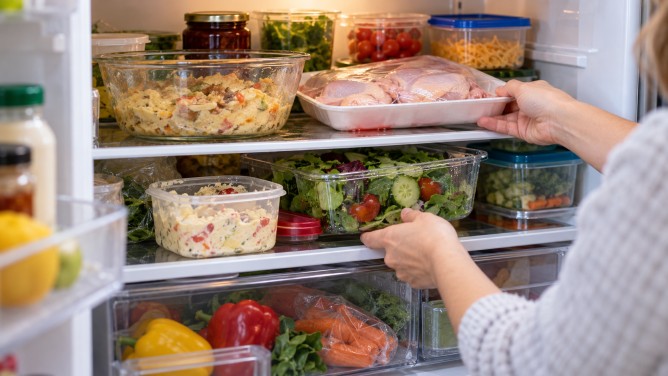
Improper food storage can significantly increase the risk of foodborne illnesses, as harmful bacteria thrive when food is not stored correctly. One common mistake is leaving cooked food out for too long. Allowing perishable items to sit at room temperature for hours can lead to bacterial growth. It is advised to refrigerate these foods within two hours of cooking to ensure safety, or within one hour if the temperature exceeds 32°C.
Overcrowding the refrigerator is another error that can compromise food safety. When a fridge is packed too tightly, cold air cannot circulate properly, making it difficult to maintain a safe temperature. To avoid this, arrange containers with enough space for air to move freely and ensure that the cooling vents are not blocked. It is crucial to keep the refrigerator at 4°C or below, checking the temperature regularly.
Separating raw and cooked foods is also essential to prevent cross-contamination. Raw meats and their juices can contaminate ready-to-eat foods if stored together. It is recommended to store raw animal products in sealed containers on the lowest shelf and to keep cooked meals and foods that will not be cooked further on separate shelves. Additionally, washing hands, utensils, and work surfaces after handling raw ingredients can help maintain hygiene.
Reheating leftovers repeatedly can pose food safety risks, especially if the food spends too long at room temperature between meals. It is better to divide leftovers into individual portions and reheat only the amount needed. Ensure that leftovers reach at least 74°C throughout when reheated, using a food thermometer when possible.
Another storage mistake involves washing produce too early. Excess moisture from washing fruits and vegetables ahead of time can encourage spoilage. It is preferable to wash produce just before use. If washing in advance is necessary, dry them thoroughly and refrigerate in a clean container.
Finally, relying solely on smell and appearance can be misleading. Food that looks and smells fine may still harbor harmful microorganisms. Therefore, it is important to consider storage time and temperature rather than just sensory cues. Discard perishable food left out beyond safe limits to minimize the risk of illness.
Proper food storage is critical in preventing foodborne illnesses. By controlling the time, temperature, moisture, and potential for cross-contamination, individuals can protect themselves and their families from the dangers of improper food handling.