

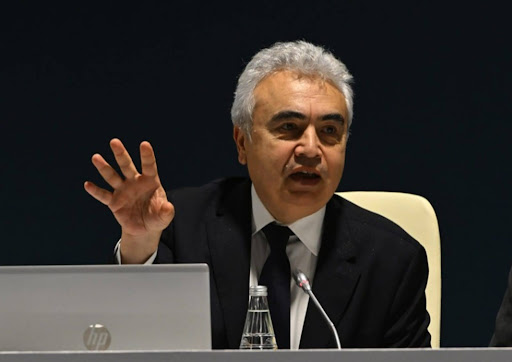
Even if the Strait of Hormuz is reopened to commercial shipping, the damage sustained by Gulf energy infrastructure means the world will not quickly return to pre-crisis energy supply levels, according to Fatih Birol, the head of the International Energy Agency. The IEA chief, speaking in Canberra, said at least 40 major energy assets across the Gulf region have been severely or very severely damaged. He warned that rebuilding these facilities will take considerable time and that the global economy must prepare for a prolonged period of constrained supply.
Birol compared the overall scale of the crisis to the combined force of the 1970s twin oil shocks and the Ukraine gas emergency. The Iran conflict, which began February 28, has already removed 11 million barrels of oil per day and 140 billion cubic metres of gas from international markets. These losses are more than double those of the 1970s oil crises and significantly exceed the gas losses caused by Russia’s invasion of Ukraine.
The IEA has deployed 400 million barrels from strategic reserves and pushed governments to implement demand-reduction policies including remote working, lower speed limits, and reduced air travel. Birol said the IEA was consulting with governments across Asia, Europe, and North America about whether further reserve releases are necessary. He was clear that these measures could soften the economic blow but not replace lost production capacity.
The Strait of Hormuz, through which about 20 percent of global oil flows, has been closed by attacks on commercial vessels. This has created fuel shortages across the Asia-Pacific region and tightened European markets for diesel and jet fuel. Birol said Canada and Mexico’s increased output could help offset some European losses but would not be sufficient to meet the scale of global demand.
US President Trump issued a 48-hour ultimatum to Iran to reopen the strait, while Iran threatened retaliation against US and allied energy and water infrastructure. Birol met with Australian Prime Minister Anthony Albanese and emphasized the need for genuine global cooperation. The IEA chief’s message was unambiguous: even with the strait reopened, the world faces a long road to full energy supply recovery.
