
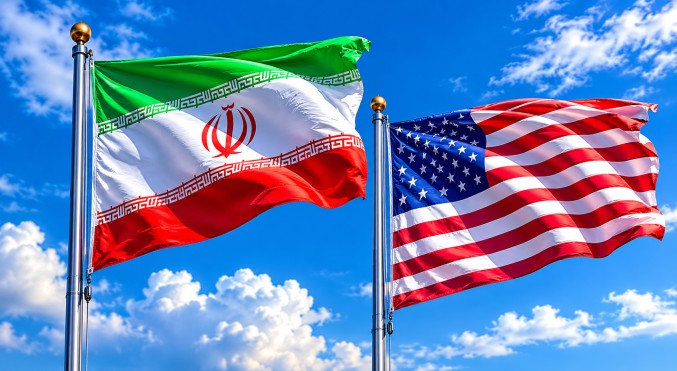
Recent negotiations between Iran and the United States have shown slight advancement amid persistent tensions over potential American military actions. Discussions have been focused on establishing a broader ceasefire and easing regional strains. Iran’s Foreign Ministry spokesperson, Esmail Baghaei, noted that the current talks are primarily aimed at ending hostilities, with nuclear concerns slated for later deliberation.
U.S. Secretary of State Marco Rubio confirmed that diplomatic discussions are progressing, suggesting that further developments might be on the horizon. The United States continues to insist that Iran must never acquire nuclear weapons and is demanding assurances regarding uranium stockpiles and the reopening of the Strait of Hormuz. Meanwhile, Iran’s parliament speaker, Mohammad Bagher Ghalibaf, warned that any new U.S. attacks would provoke a stronger Iranian retaliation, highlighting that Iran has restored parts of its military strength after weeks of conflict and a tentative ceasefire.
Pakistan has been playing a mediating role between Tehran and Washington, with its army chief engaging in meetings with Iran’s senior leaders in Tehran. These discussions have been described as constructive, aiming to set up another round of direct negotiations between the two nations.
These diplomatic efforts are occurring amid growing concerns over regional stability, global energy supplies, and the potential for further escalation in the Middle East. As both countries navigate through these complex negotiations, the international community watches closely, hoping for a peaceful resolution to the ongoing issues.